

Definition: Induction of labor (IOL) is when a doctor or midwife uses medical or other methods to start labor artificially instead of waiting for it to begin on its own.
Hello. I’m a medically indicated induction. I’m there if the mom has a condition that would make continuing the pregnancy riskier to the baby or mom than being born now. This could be diabetes (historical or uncontrolled), preeclampsia (a set of symptoms including protein in the urine, sudden rapid swelling, high blood pressure, distinct from mildly elevated blood pressure later in pregnancy), IUGR (intrauterine growth restriction where the baby is not growing properly), HIV, an active herpes outbreak, heart disease, kidney disease, blood clotting disorders, potential cholestasis of pregnancy, HELLP syndrome, abnormal non-stress test (NST) results including decelerations, and significant changes (either increases or decreases) in fetal movement. These are health complications which would warrant bringing me into the situation! (ACOG, WHO Guidelines)
Greetings. I’m an elective induction. I’m there when there is a perceived but not necessarily evidence-based risk to continuing a normal pregnancy up to 42 weeks gestation. There’s no obvious medical necessity for me to be introduced to the situation. There are lots of reasons not to do me, including increased interventions, hemorrhages, and cesareans, as well as increased birth trauma, neonatal respiration problems, need for resuscitation, and infection. However, a lot of doctors introduce me when the pregnancy goes past its “due date” – which actually has a 2-week margin of error. I don’t like being brought in too early and I often fight against it!
Normal Labor Physiology
Hi. I’m Oxytocin! I’m a hormone built from 9 amino acids (molecules that build proteins) and I am a neuropeptide (a molecule used by neurons to communicate with each other)! I’m produced by specialized nerve cells deep in the brain, in a region called the hypothalamus. From there, I travel down to the posterior pituitary gland, where I’m released into the bloodstream. I help shape some of our most human experiences, like birth, breastfeeding, bonding, and trust.
Hi there! We are the Receptors. We and the oxytocin neuropeptides work together as synapses. Oxytocin cannot influence the body unless it binds to us!
It’s me, Oxytocin again. I really like those neurons that help me transport myself from the hypothalamus to the pituitary and into the bloodstream. I can reach almost every part of the body! But I can’t do it without the help of Receptors. I have to bind to them, like a key in a lock. Only then can I influence and cause cellular responses in the brain, spinal cord, and organs. The central nervous system is my friend! I cross the blood-brain barrier, protecting the body from toxins, pathogens and blood fluctuations. I’m very proud to protect the brain’s microenvironment – I regulate lots of good things like nutrients and I maintain proper neural function. Drugs that don’t cross the blood brain barrier like I do can pose challenges to the body.
Hello. It’s Me, the Central Nervous System. I continuously secrete oxytocin to influence the brain and spinal cord. But for oxytocin to be secreted in pulses, like women need in labor, it also has to be released from the posterior pituitary gland. And the pulses will increase in frequency, duration, and strength.
Receptors: But remember, that oxytocin cannot do anything unless it binds to me! I am like a jealous partner. Oxytocin can’t influence cellular responses in tissues and organs unless I help those neurons and hormones “depolarize.” Then together we make those bursts of oxytocin in labor.
Oxytocin: When I want to be released in pulses or bursts from the posterior pituitary, my command center, the hypothalamus, links the nervous system to the endocrine system, where I live. Then I wait for that depolarization from the receptors to happen from some specific stimuli – like uterine contractions, a baby crying or sucking, pain or stress, and of course, emotional bonding. I like when my pulses (from the brain) enter into the rest of the body’s continual circulation of me.
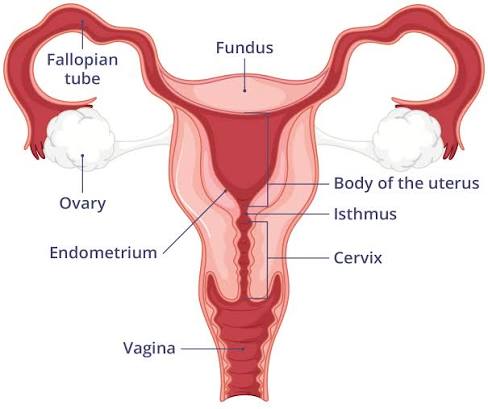
Hello there! I am the Uterus. I am the *star* of labor. But I can’t contract without those pulses of oxytocin rising and rising. And luckily, as the levels rise and cause labor to be more intense (getting closer to the birth) they also go back into the brain and help the woman deal with pain and stress. They keep her calm, which helps me to contract as much as needed to get the baby born. Oxytocin really stimulates and motivates me!
It’s my turn! I am the Cervix. I’m the very bottom part of the uterus, where it opens. When this happens, it’s called dilation. To make it happen, the uterus will have contractions that start at the top (the fundus) and move down like waves. However, I usually protest and resist dilation unless I am ripe and ready. I like to be soft and thinned out so I can let those pulses of oxytocin open me up, while the baby’s head presses harder on me as it comes down. There are various other hormones, such as prostaglandin, that also help me do this. The woman’s body gives them to me when it is primed. The baby even helps with that! It’s hard for me to respond to the oxytocin unless I am nice and soft. I’m pretty cool because I also hang out with other hormones like endorphins (natural pain relievers) and catecholamines (e.g., adrenaline).
Uterus: I like to be careful with oxytocin because every contraction decreases the baby’s oxygen a bit. The reason for this is that I can’t send as much blood flow to the placenta when I’m being squeezed. I’m thankful that my contractions have breaks in between, so the baby can return to its normal oxygen levels, plus I get a rest, since I am a muscle and need some recovery time too. There will be lots and lots of contractions from me, so I like to pace those oxytocin spurts.
Induced Labor Physiology
Hi. I’m called Pitocin. I am synthetic oxytocin, made in a laboratory. To make me, the science technicians either use biotechnology (using microbes) or chemical synthesis (linking the amino acids in the correct sequence).
I enter the body through an IV in continuous, measured doses. I follow a protocol of getting increased pretty regularly in order to stimulate contractions. I am different from natural oxytocin because I just bypass the blood-brain barrier. I don’t like it when people say that I don’t have the same calming, bonding, or pain-modifying effects – but I admit it’s true.
I do have a lot of influence. I raise the mom’s plasma oxytocin levels much higher than normal. I am really strong and powerful! I can make uterine contractions that are longer, stronger, and more frequent, particularly in early labor. There is less time in between the contractions I cause than in the intervals between natural oxytocin’s contractions. I think the uterus likes organic oxytocin more than it likes me. I can start up the uterus even when it’s not ready, but sometimes I have to really force it.
You might want to know that the Indications and Usage package label for me says:
IMPORTANT NOTICE
Elective induction of labor is defined as the initiation of labor in a pregnant individual who has no medical indications for induction. Since the available data are inadequate to evaluate the benefits-to-risks considerations, [synthetic] oxytocin is not indicated for elective induction of labor.
Uterus: Of course I like the mom’s oxytocin better than pitocin! The pitocin reduces the resting intervals between contractions, which compromises uteroplacental blood flow and fetal oxygenation. It can cause me to be hyperstimulated (tachysystole). If I have to do more than 5 contractions in 10 minutes, it can cause fetal hypoxia (low oxygen) and acidosis (buildup of too much carbon dioxide), inadequate reperfusion of the placenta (restoration of the blood flow, after it’s been deprived) and changes in fetal heart rate patterns (late decelerations/bradycardia). In extreme cases I might not be able to relax at all between contractions and I get very fatigued.
I also don’t like pitocin because it causes the mom to have stronger and more painful contractions. She has an increased need for an epidural and is more likely to have a vacuum extraction or a cesarean section. That was not my intent.
Receptors: Let us add that we vary in number and sensitivity in different women, especially in early labor. Our response to pitocin is unpredictable. Some women won’t feel much at all in the early stages of getting pitocin, and other women will have extra sensitivity and the pitocin will kick in more quickly. Also, all those poor women probably will have more stress because they don’t have regular oxytocin crossing the blood-brain barrier to make them calmer or help with pain.
Another thing – we bind to mom’s natural oxytocin and together we trigger normal contractions. We also bind with pitocin but if it’s too high and too continuous, we will get de-sensitized and shut down. It’s just too much for us and we get overstimulated. When we receive oxytocin in normal short pulses that are quickly broken down, we don’t have desensitization and we can maintain effective contractions that will build.
Hi, this is the Uterus chiming in again because remember, I’m the * star * of labor! When pitocin is introduced to me too early, I don’t have as many friendly oxytocin receptors as I do when labor begins naturally. So sometimes inducing labor doesn’t even work – or at least it needs really high doses of pitocin (sometimes called pit) to get me started. And then, like the receptors said, they will sometimes shut down because it’s too much for them.
Summary Table
| Feature | Spontaneous Labor | Induced Labor with IV Oxytocin |
| Oxytocin Release | Pulsatile | Continuous |
| Hormonal Cascade | Full, with endorphins and prostaglandins | Blunted, fewer natural co-hormones |
| Contraction Pattern | Gradual, with recovery periods | Stronger, longer, more frequent |
| Uterine Recovery Time | Present between contractions | Often reduced or absent |
| Risk of Fetal Hypoxia | Low | Increased |
| Predictability | Natural progression | Variable receptor response |
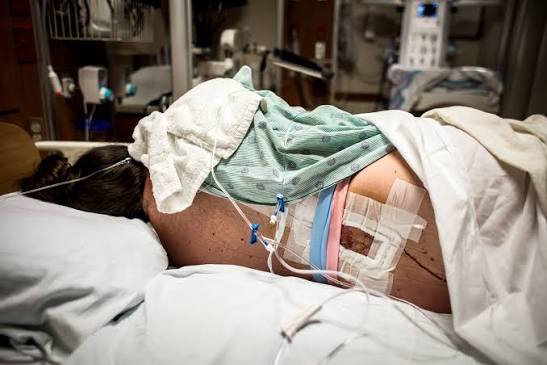
Here I am, the Epidural! I’d like to talk about how I interact with all these folks. Most women who receive epidurals will ask for and get me. The woman is usually then lying down because I’ve taken away her pain, mobility, and her sensations of labor. This is a relief to her but then I usually slow the labor down because the cervix is not getting enough pressure from the baby’s head anymore, and the mom’s pelvic floor is not receiving sensations. That reduces the strength of contractions and thus usually creates a need for more pitocin.
Stay Tuned for Part 2. . . . .